
NeuroAffective Relational Model (NARM)
Connection: Our Deepest Desire & Greatest Fear

In NARM therapy, we focus on discovering how past trauma shapes your present. It's not about dwelling on the why, but understanding how your survival strategies influence your life now.
Together, we’ll journey toward what you most desire for yourself.
“The coping strategies that initially helped us survive as children over the years become rigid beliefs about who we are and what the world is like. Our beliefs about ourselves and the world, together with the physiological patterns associated with these beliefs, crystallize into a familiar sense of who we are. This is what we come to view as our identity.”
-Laurence Heller, PhD & Aline LaPierre, PsyD
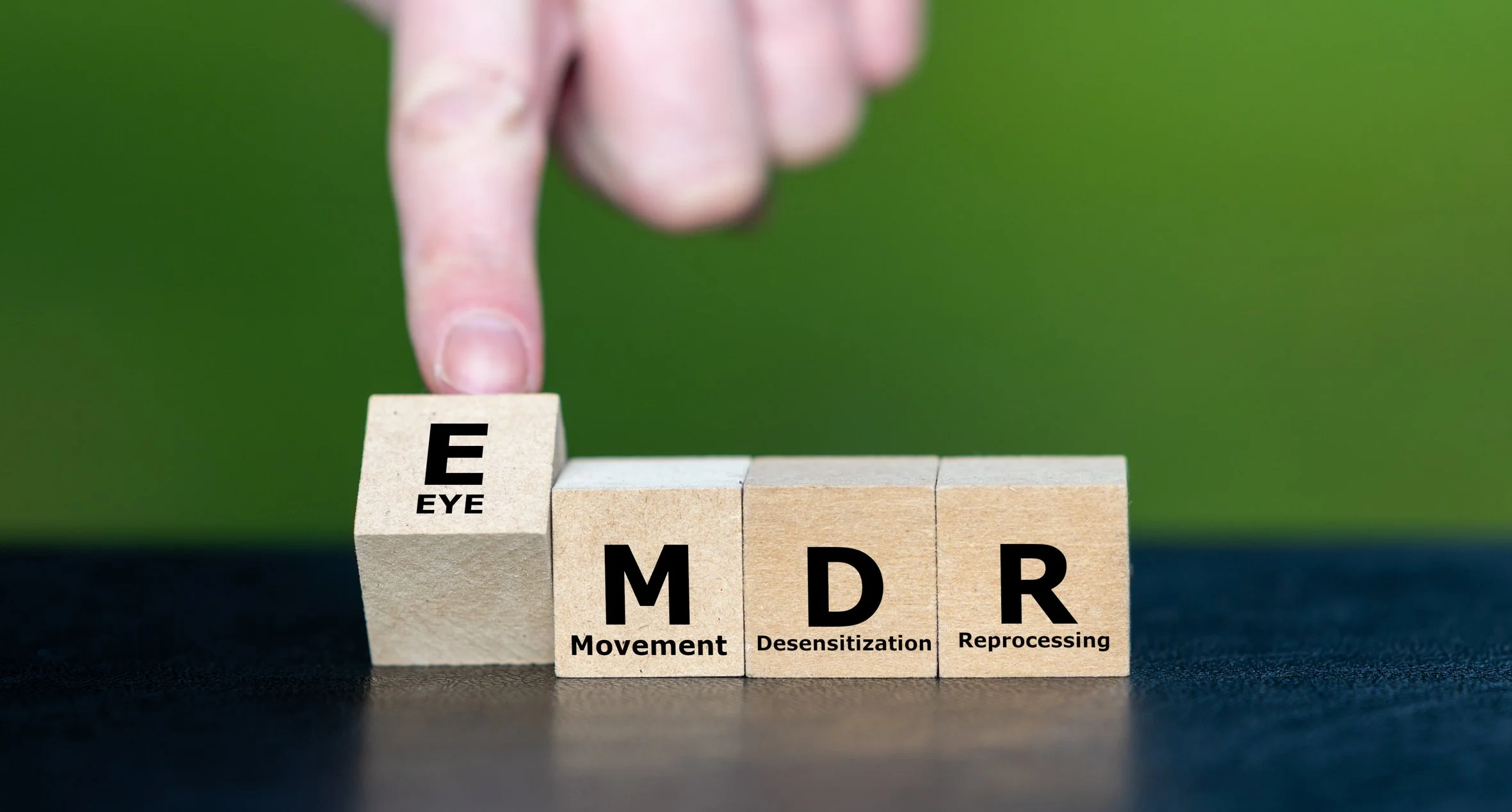
How EMDR differs from other therapeutic approaches
The primary difference between EMDR and other forms of therapy is its focus on emotional and physiological responses to traumatic memories and the mechanism of action. Key differences include:
01
Direct focus on memories
Unlike cognitive-behavioral therapy (CBT), which focuses on negative thoughts, EMDR gets to the root by directly altering how memories are stored in your brain.
02
Bilateral Stimulation
EMDR uses bilateral sensory input, like eye movements, to reduce the intensity of distressing memories.
03
Non-reliance on talk therapy
With EMDR, there's less pressure to talk about your trauma, making it suitable for clients who may struggle to verbalize their experiences.
Eye Movement Desentization and Reprocessing (EMDR)
EMDR goes beyond therapy; it's a journey
toward healing, a path to reclaiming your
sense of peace and emotional well-being
after enduring life's most challenging
experiences.